
Death Certificate Translation Services
Upload the registrar's copy, the abstract issued by a vital records office, or a scan of the original entry, and read it in the language the probate registry, the insurer or the consulate works in. Register numbers, seals and the certifying physician's wording stay where they were.
Upload or drop document to translate
Max. file size 1 GB
The register entry behind the certificate
A death certificate is not written by the hospital. A physician, a medical examiner or a coroner completes a medical certificate of cause of death; a civil registrar copies that information into a bound register, then issues certified copies from the entry. What you hold in your hand is a copy of a register line, and the volume, page and entry number printed on it are how the issuing office finds that line again.
The entry carries the full name of the deceased as it stood at death, sex, date of birth or age, place of birth, last permanent address, occupation and marital status. Next to it sit the date and the hour of death, the place of death written as an institution or a street address inside a named municipality, and the cause. At the foot of the page there is an informant block: whoever reported the death, their relationship to the deceased, their address and their signature. Then the registrar's own signature, the date of registration and an embossed or inked seal.
Every one of those fields does work later. The estate is opened against the name and the date. A pension stops against the date. An insurance file is decided partly on the cause. A consulate matches the place of death against the transit paperwork. A version that reads well but blurs any one of them creates a query, and a query costs weeks.
Cause of death is written in layers, not sentences
Most countries follow the international medical certificate layout, so the cause block on a certificate from Lima looks structurally like one from Lisbon even though the words differ.
Part I runs backwards in time
Line (a) holds the condition that directly ended life. Line (b) holds what caused line (a), and line (c) holds what caused line (b). The bottom line of the sequence is the underlying cause, and that is the one statistical offices and insurers key on. Flattening those lines into one sentence destroys the causal ordering, which is the entire point of the layout. Each line usually carries an interval as well, written as minutes, days or years between onset and death.
Part II is contributory, not causal
Below the sequence sits a separate box for other significant conditions that contributed but did not produce the chain in Part I. Moving an item between the two parts changes what the document says about the death, so the boundary between them has to survive the translation as a visible boundary.
Clinical vocabulary and ICD codes
The wording here is technical and often Latinate, and it is frequently the only handwriting on an otherwise typed page. Where the registry has coded the entry, an ICD-10 code appears beside the text. Those codes are language independent by design and are carried through untouched; the human-readable label beside a code is what gets translated. If you need the same care applied to hospital paperwork from the final admission, our medical report translation page covers that document instead.
Manner of death is a separate field
Many jurisdictions print a short classification next to the cause: natural, accident, suicide, homicide or undetermined, sometimes with a note that an inquest is pending. It is a legal category rather than a medical one, and the local wording rarely maps one to one. Where the original is ambiguous, the safe output keeps the source term visible rather than picking a category on the reader's behalf.
Where the translated copy has to go
A single death produces requests from offices that never speak to each other, and each one keeps the copy it is given. Order more certified copies from the registry than you think you need, because most of these bodies will not return the one you send.
- A probate court or notary opening the estate, especially when property sits in a country other than the one where the death was registered
- Banks and registrars of shares closing accounts or transferring holdings to the estate
- A life insurer, which usually reads the cause block before it reads anything else
- A pension provider or social security body stopping a payment and starting a survivor's benefit, which often wants the exact date rather than the month
- Land and vehicle registries recording a transfer of title, plus tax authorities settling the final return
- A consulate arranging repatriation, alongside the burial transit permit and the certificate covering embalming or non-contagious status
- An immigration file where the death changes a family relationship, or an apostille request that has to travel with the record
Machine output is the right tool for reading the document, briefing a family and preparing a file. When a body asks for a translation someone has signed for, read how to get an official translation first, then order the certified version. Our legal translation services page covers estate paperwork that travels with the certificate.
Translate document →Check which version you were given before you pay to translate it
Registries issue more than one thing under the same name. A short abstract confirms that the death was registered and gives the name, the date and the place, with the cause omitted. A long form reproduces the register entry in full. An insurer or a probate registry that has asked for the cause will send the abstract back, so confirm which one the receiving office named before uploading anything.
There is also a version that may need no translation at all. Under the 1976 Vienna Convention on the issue of multilingual extracts, civil status offices in many European and Latin American countries can issue a pre-printed extract whose field labels already appear in several languages, with only the entered values in the local one. If the receiving country accepts that form, asking the registry for it is cheaper than translating a national certificate.
Where legalisation is required, the apostille or the consular stamp is fixed to the original before anything is translated, and it forms part of the document from that moment. Scan it with the certificate so the translated file shows the same pages the original does.
What a certificate costs to translate
A civil registry certificate is one or two pages, so the smallest option on the list covers it comfortably, and the same account handles the estate correspondence that follows.
Choose Your Plan
Start with a 7-day trial for $2, then $14.99/month, or save more with annual billing
7-Day Trial
MOST POPULARthen $14.99/month after trial ends
- 7-day full access trial
- Trial limit: 10 pages or 3,000 words
- $0.005/word AI translation
- 120+ languages
- PDF, DOCX, XLSX, PPTX, IDML, TXT, JPG, PNG, CSV, JSON
- Team access & custom glossaries
- Email support
Monthly
POPULARRegular price $29.99, now 50% off
- 100 pages or 30,000 words per month
- $0.005/word AI translation
- 120+ languages
- Unlimited file storage
- PDF, DOCX, XLSX, PPTX, IDML, TXT, JPG, PNG, CSV, JSON
- Team access & custom glossaries
- Priority email support
Annual
SAVE 25%~$11.25/month, save 25% vs monthly
- 100 pages or 30,000 words per month
- $0.005/word AI translation
- 120+ languages
- Unlimited file storage
- PDF, DOCX, XLSX, PPTX, IDML, TXT, JPG, PNG, CSV, JSON
- Team access & custom glossaries
- Priority email support
Need a USCIS-certified translation?
If you are filing your death certificate or other records with U.S. Citizenship and Immigration Services, USCIS requires a complete, certified English translation of every foreign-language document, with a signed certification of accuracy. Our USCIS Translation Services provide certified, notarized translations accepted for green cards, visas, and citizenship applications.
See our USCIS Translation Services →Before and after on a registry document
Open any thumbnail to compare the source page with the finished one. What the pairs below show:
- Field labels and the values beside them stay on the same lines.
- Seals, stamps and signature blocks hold their position on the page.
- Numbers, dates and register references are carried across as printed.
- The output opens as an ordinary document, not an image of one.
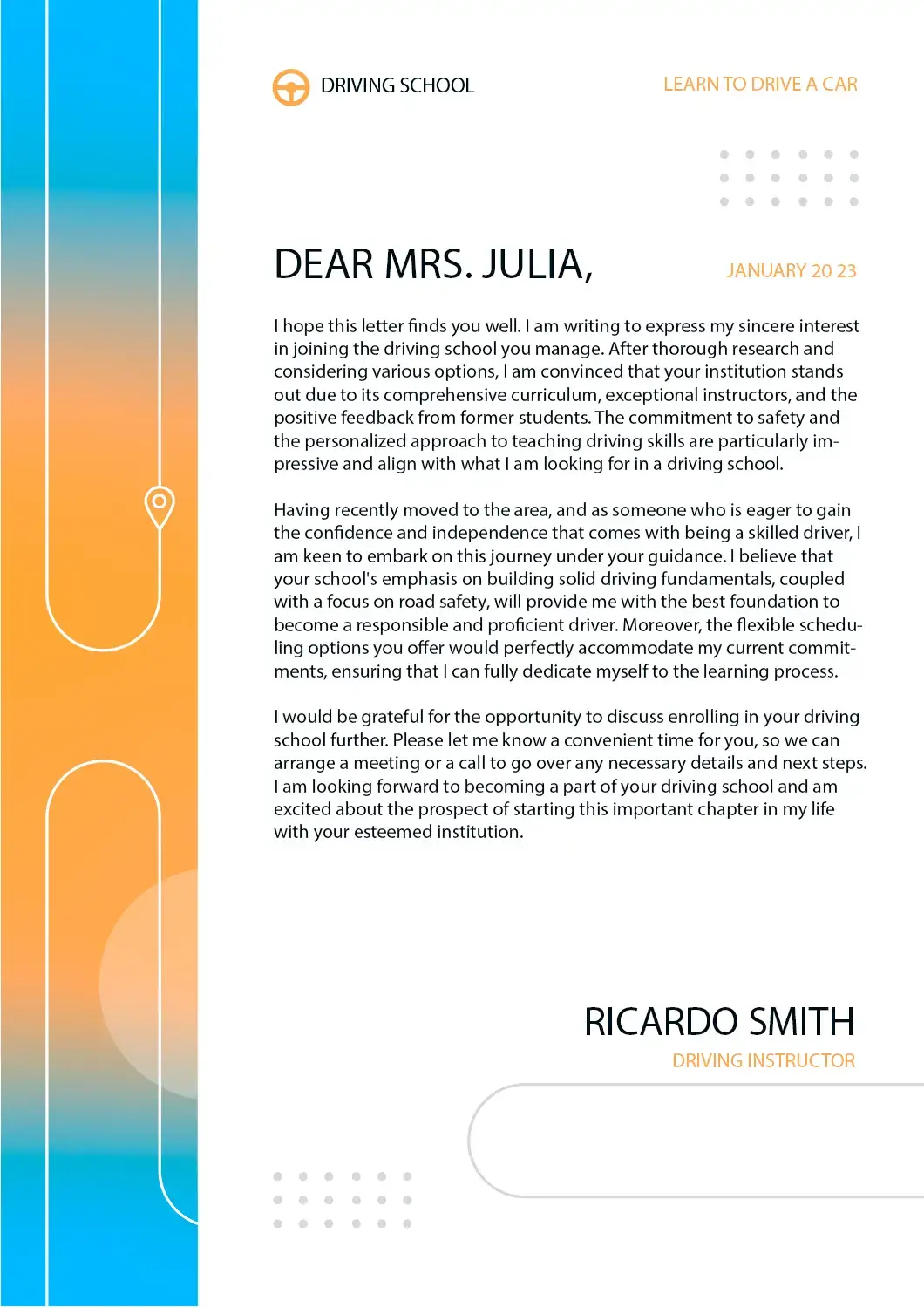
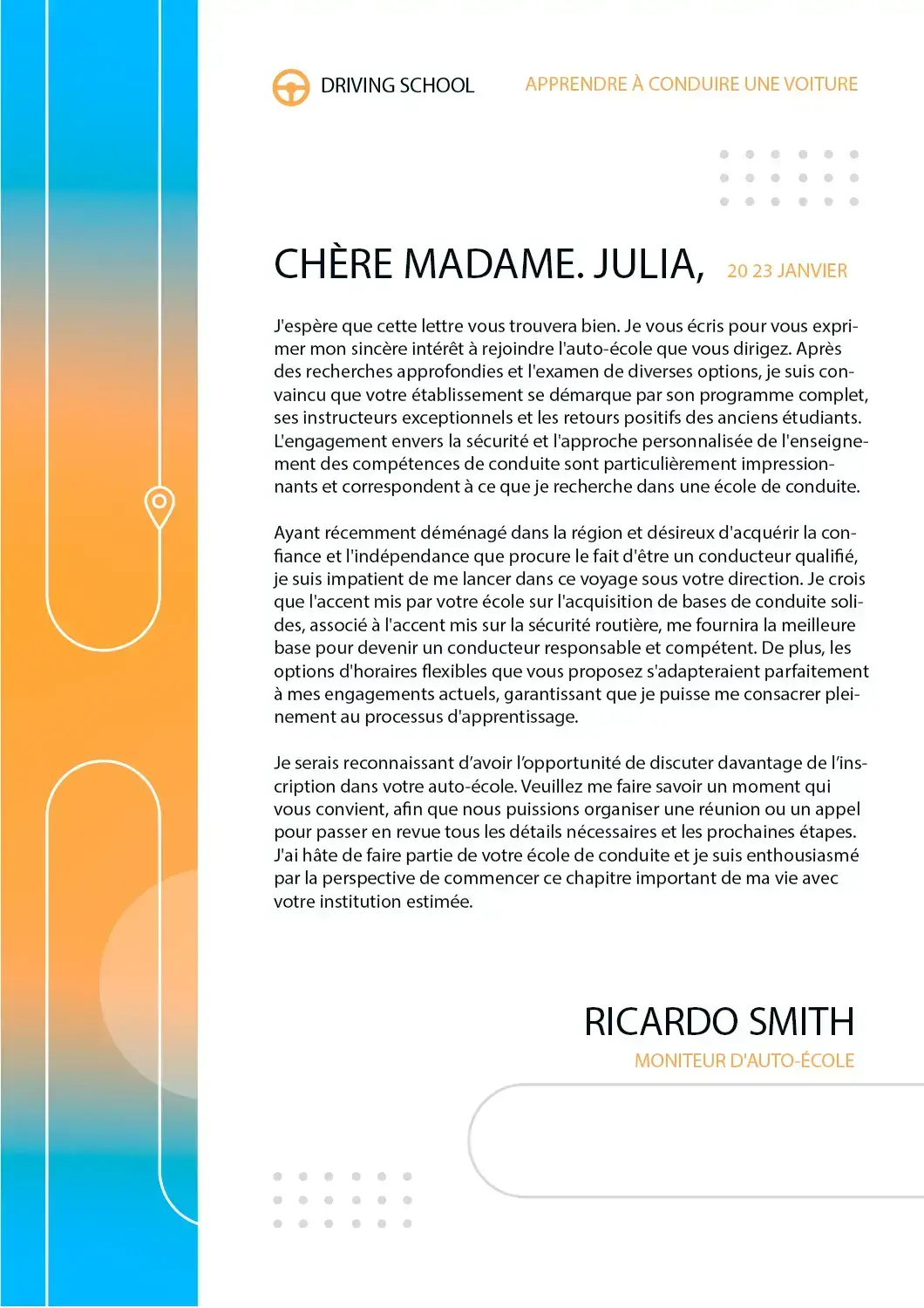


Each pair is a single upload with no manual cleanup afterwards.
See all translation examples →Four steps, and one check at the end
The upload itself is quick. The part worth slowing down for is the comparison you do afterwards, against the page the registrar signed.
Photograph or scan every page you were issued
That means the certificate plus anything fastened to it: an apostille sheet, a consular stamp, a reverse side carrying the register reference. Lay the paper flat under even light. Raised seals photograph badly at an angle and an embossed circle that reads as a grey smudge cannot be described in the output.
Open an account and upload
Register with an email address. PDF, DOCX, JPG, JPEG and PNG are all accepted, and image files run through character recognition before anything is translated, so a sharp photograph beats a soft scan.
Name the source language, not just the target
Registry forms are terse and full of abbreviations, and the same short label means different things in different countries. Telling the system which language the registrar wrote in is what lets those abbreviations resolve correctly.
Read the cause block against the original
Put the two pages side by side and check four things: the date and hour of death, the ordering of the cause lines, the register volume and entry number, and the spelling of the name of the deceased against the estate paperwork.
Other records that travel with an estate file
Questions families ask before uploading
Is the cause of death rewritten in plain language?
No. The clinical wording the certifying physician used is rendered as clinical wording, and the line structure of Part I is kept so the sequence still reads from the immediate cause down to the underlying one. Simplifying that block would change what the document says about the death, and insurers and statistical offices read it as a structure rather than as prose.
The certificate I was given does not show a cause. Is it the wrong one?
It may be the short abstract rather than the full register copy. Abstracts confirm the registration and give the name, date and place, and they are enough for many banks and utilities. A probate registry or a life insurer that asked for the cause needs the long form, which the issuing office can supply from the same entry. Check the wording of the request before ordering copies.
Does the apostille page need to be translated as well?
Usually yes, and it costs almost nothing because the apostille is a short block of numbered fields. It is attached to the original before legalisation is complete, so from the receiving side it is part of the document. Include it in the same upload rather than sending it separately later.
The doctor wrote the cause by hand. Will character recognition read it?
Typed text on a flat, well-lit scan comes through reliably. Handwriting is much harder, and medical handwriting on a photocopy is harder still. Where a handwritten line does not resolve, the sensible move is to ask the issuing registry for a typed certified copy of the entry rather than accepting a guess at a clinical term.
Will a probate court or an insurer accept this translation?
For reading the document and preparing the file, machine output is fine and immediate. For filing, most courts, insurers and consulates require a translation carrying a signed statement of accuracy from a qualified translator, which automated output does not include. Use the professional option for the copy that gets filed, and see our page on official translations for what the statement has to contain.
Are the register volume, page and entry numbers preserved?
Yes, and they matter more than they look. Those references are how the issuing office locates the original entry if the receiving body writes back to verify it. They pass through as printed, along with the certificate serial number and the date of registration.
What can I upload, and how large can the file be?
PDF and Word files, spreadsheets and presentations, plus JPG, JPEG and PNG photographs and scans. A one-page registry certificate sits far below the ceiling: paid plans accept a single file of up to 1 GB or 5,000 pages, which is sized for an entire estate bundle rather than one certificate.
What will this cost for one certificate?
The seven-day trial is priced at $2 and allows 10 pages or 3,000 words, which covers a certificate and its apostille sheet with room to spare. Continuing costs $14.99 monthly for 100 pages or 30,000 words, and the annual option works out at $135 for the year. Volume beyond a plan is charged per word at $0.005.
How private is a document like this?
The connection is encrypted in both directions, and a stored upload can be opened only by authorised staff. The specifics live in our privacy policy. If you are administering the estate on behalf of a firm rather than a family, clear the workflow with your own compliance people before you upload records naming a third party.
Read the certificate today
Upload the registry copy and its apostille sheet together, choose the language the receiving office works in, and get a file with the seals, register references and cause lines where the registrar put them.
Related Document Translation Tools
Document Types
File Formats
Our Partners