
Bank Statement Translation
A statement is mostly numbers, and numbers are where translation goes wrong. Upload the file your bank issued and get a version where the columns still line up, the running balance still reconciles, and the IBAN is still an IBAN.
Upload or drop document to translate
Max. file size 1 GB
A statement is a table with a header block on top
Unlike a certificate, a statement proves nothing about who you are. It is a periodic account record, produced by a machine on a schedule, and what it demonstrates is a pattern over time. The header block identifies the account: holder name and address, the account number, the international account identifier, the branch, the product name and the period the sheet covers. Everything below that is rows.
A row generally carries two dates rather than one. The booking date is when the bank posted the entry; the value date is when it counts for interest, and the two can differ by several days across a weekend or a holiday. Beside them sits a narrative field, a reference, an amount in a debit or credit column, and a running balance. The sheet opens with a brought-forward balance and closes with a carried-forward one, and the two are supposed to be joined by arithmetic that anyone can check with a calculator.
That arithmetic is exactly what a caseworker checks. If a translated sheet no longer adds up, because a separator moved or a minus sign was dropped, the reader does not conclude that the translation is faulty. They conclude that the statement is.
Six ways a figure changes meaning between countries
None of these is a vocabulary question. Each is a case where the digits are unchanged and the value is not.
Decimal marks and grouping
Germany, Spain, Brazil and much of continental Europe write 1.234,56 where an English-language bank writes 1,234.56. France and Sweden group with a space: 1 234,56. Read one convention as the other and a four-figure payment becomes a one-figure one. The reliable handling is to leave the numerals as the bank printed them and let the currency and the column headings tell the reader which convention is in force.
Grouping that is not in threes
Indian statements group by the lakh and crore system, so twelve hundred thousand appears as 12,34,567.89. Any process that assumes commas fall every three digits will misread the figure or silently regroup it. Leaving the grouping alone is the only safe option, because regrouping a number is editing a financial record.
How a debit is marked
Money leaving the account is shown in at least four ways: its own debit column, a leading minus, a trailing minus after the digits, or brackets around the amount. Some banks add a two-letter marker instead. Lose the marker and every outgoing payment reads as income, which is the failure mode most likely to be spotted only after a decision has gone against you.
Which dollar, which krone
A dollar sign is shared by the United States, Canada, Australia, Singapore, Mexico and others, and the krone belongs to three Nordic countries at once. The three-letter code beside the balance resolves it, so that code needs to survive as a code. Where the statement shows only a symbol, add the code from the account details rather than assuming the reader will guess correctly.
Dates that read two ways
06/07 is the sixth of July across most of the world and the seventh of June in the United States, and on a statement it decides whether a payment fell inside the qualifying period. Spelling the month as a word in the output ends the ambiguity permanently. Where a bank uses the year first, that ordering is unambiguous already and can stay.
Rounding and cent-free currencies
The yen and the Korean won have no minor unit, and the Kuwaiti dinar and Tunisian dinar carry three decimal places rather than two. Forcing every amount to two decimals either invents precision or throws it away. The digits the bank printed are the digits that belong in the output.
What must pass through untranslated, and what genuinely needs translating
Roughly half the text on a statement is not language at all. It is machine-readable identifiers and merchant descriptors, and touching them breaks the record.
Leave exactly as printed
- The international account number, whose leading two letters are a country code and whose next two digits are a checksum. Change one character and the whole string fails validation
- The bank identifier code, eight or eleven characters, used to route international payments
- National routing values such as a sort code, a routing number or a branch code
- Payment references, mandate identifiers, cheque numbers and card authorisation codes
- Merchant descriptors, which are proper names plus a city and a country abbreviation and are often cross-checked against something else in the file
- Scheme abbreviations for the payment rails, which name a system rather than describing an action
Translate, because they carry meaning
- Column headings, including the two date columns and the balance column
- Transaction types written as words: salary, pension, transfer, standing order, direct debit, cash withdrawal, reversal, chargeback
- Fee and interest descriptions, and any note about a charge being waived or refunded
- The product name and the terms printed in the header, such as an arranged overdraft limit
- Footnotes, legal small print and anything explaining how a figure was calculated
- The period label, which is what proves the sheet covers the months that were asked for
Assemble the right months before you translate anything
Almost every checklist that asks for statements asks for a run of consecutive months rather than a selection, and the reviewer is reading continuity as much as content. Sorting this out first means you pay to process the right pages once.
- Read the requirement literally. A visa checklist, a mortgage underwriter and a rental agent each name their own number of months, and they count backwards from the application date rather than from the calendar year.
- Download the originals from online banking rather than photographing paper. A bank-issued PDF already carries a text layer, so nothing has to be recognised from an image and no digit can be misread.
- Keep every page, including the ones that are almost empty. The page footer that reads as a number out of a total is what proves nothing was removed, and a gap in that sequence invites the question you least want.
- Check that each sheet's closing balance equals the next sheet's opening balance. If it does not, you are missing a statement between them.
- Decide about redaction before uploading, not after. Some applicants black out unrelated transactions; many reviewers treat a redacted statement as incomplete. Ask the receiving body first.
- If your bank offers a spreadsheet or comma-separated export as well, keep it. It is easier to search, and our CSV translator and Excel translator handle those exports directly.
Who reads the translated sheet
The reader is almost always testing a threshold: enough money, held long enough, arriving from somewhere explainable.
- Visa and study permit caseworkers checking maintenance funds and how long they have been held
- Mortgage and loan underwriters reading income regularity and existing commitments
- Landlords and letting agents running an affordability check
- Tax authorities and auditors reconciling declared figures, and accountants preparing a cross-border filing
- Compliance teams tracing the origin of funds for a property purchase or a large transfer
- Courts dealing with a divorce settlement, an estate or an insolvency
Automated output is right for reading a statement, sizing up a file and preparing an application. Where the receiving body wants a translation signed for, the professional option produces that, and how to get an official translation explains what the accompanying statement has to contain.
Costing a run of statements
Unlike a one-page certificate, statements arrive in batches. Count the pages across all the months you were asked for before choosing a plan, and remember that a busy current account can run to several sheets a month.
Choose Your Plan
Start with a 7-day trial for $2, then $14.99/month, or save more with annual billing
7-Day Trial
MOST POPULARthen $14.99/month after trial ends
- 7-day full access trial
- Trial limit: 10 pages or 3,000 words
- $0.005/word AI translation
- 120+ languages
- PDF, DOCX, XLSX, PPTX, IDML, TXT, JPG, PNG, CSV, JSON
- Team access & custom glossaries
- Email support
Monthly
POPULARRegular price $29.99, now 50% off
- 100 pages or 30,000 words per month
- $0.005/word AI translation
- 120+ languages
- Unlimited file storage
- PDF, DOCX, XLSX, PPTX, IDML, TXT, JPG, PNG, CSV, JSON
- Team access & custom glossaries
- Priority email support
Annual
SAVE 25%~$11.25/month, save 25% vs monthly
- 100 pages or 30,000 words per month
- $0.005/word AI translation
- 120+ languages
- Unlimited file storage
- PDF, DOCX, XLSX, PPTX, IDML, TXT, JPG, PNG, CSV, JSON
- Team access & custom glossaries
- Priority email support
Need a USCIS-certified translation?
If you are filing your bank statement or other records with U.S. Citizenship and Immigration Services, USCIS requires a complete, certified English translation of every foreign-language document, with a signed certification of accuracy. Our USCIS Translation Services provide certified, notarized translations accepted for green cards, visas, and citizenship applications.
See our USCIS Translation Services →What a processed sheet looks like
Enlarge any thumbnail and read the pair across. The things worth looking at:
- Column widths and row order match the source sheet.
- Amounts keep the separators and the debit marking the bank used.
- Account and routing identifiers appear character for character.
- Headers, footers and page numbering survive the round trip.

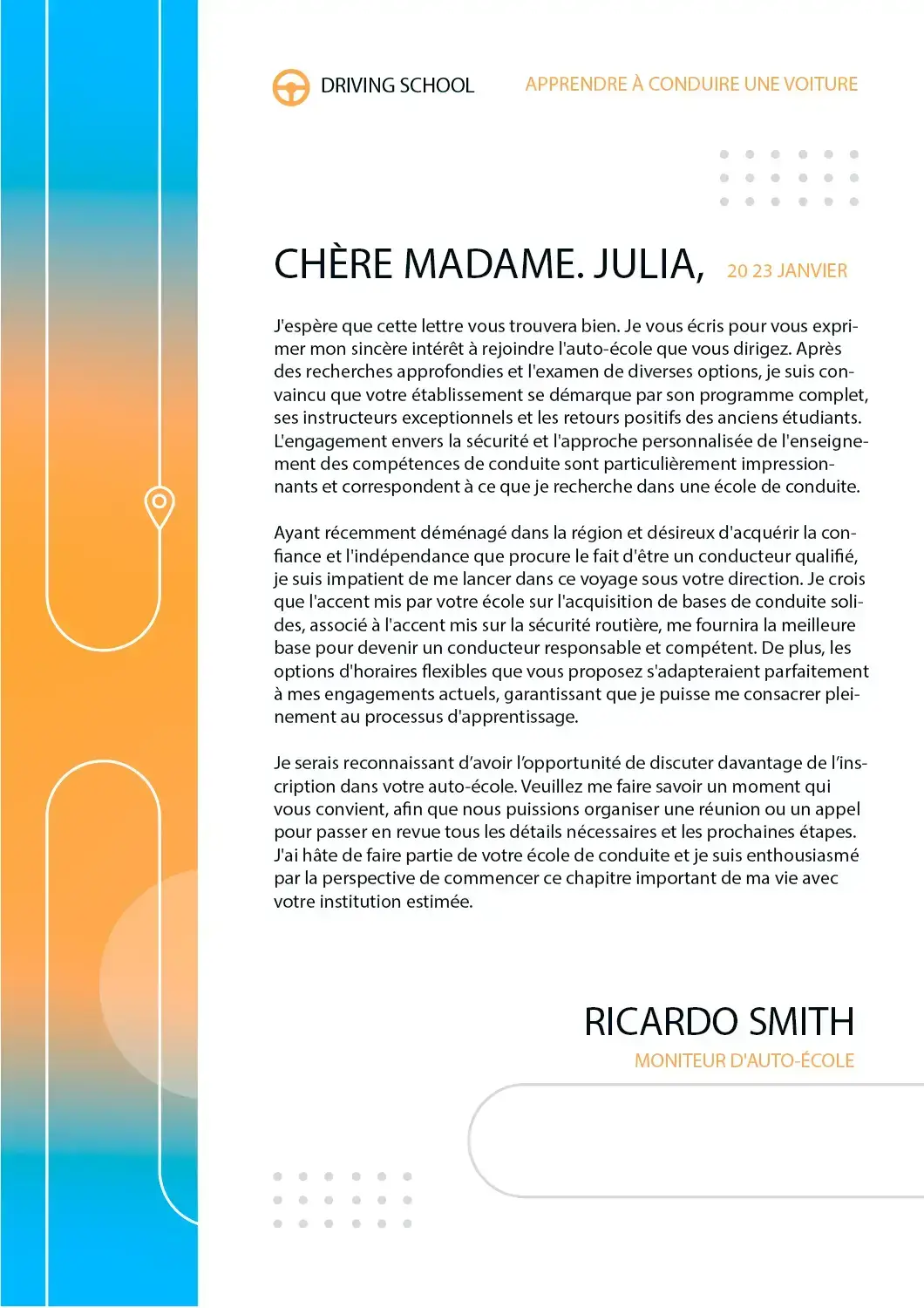
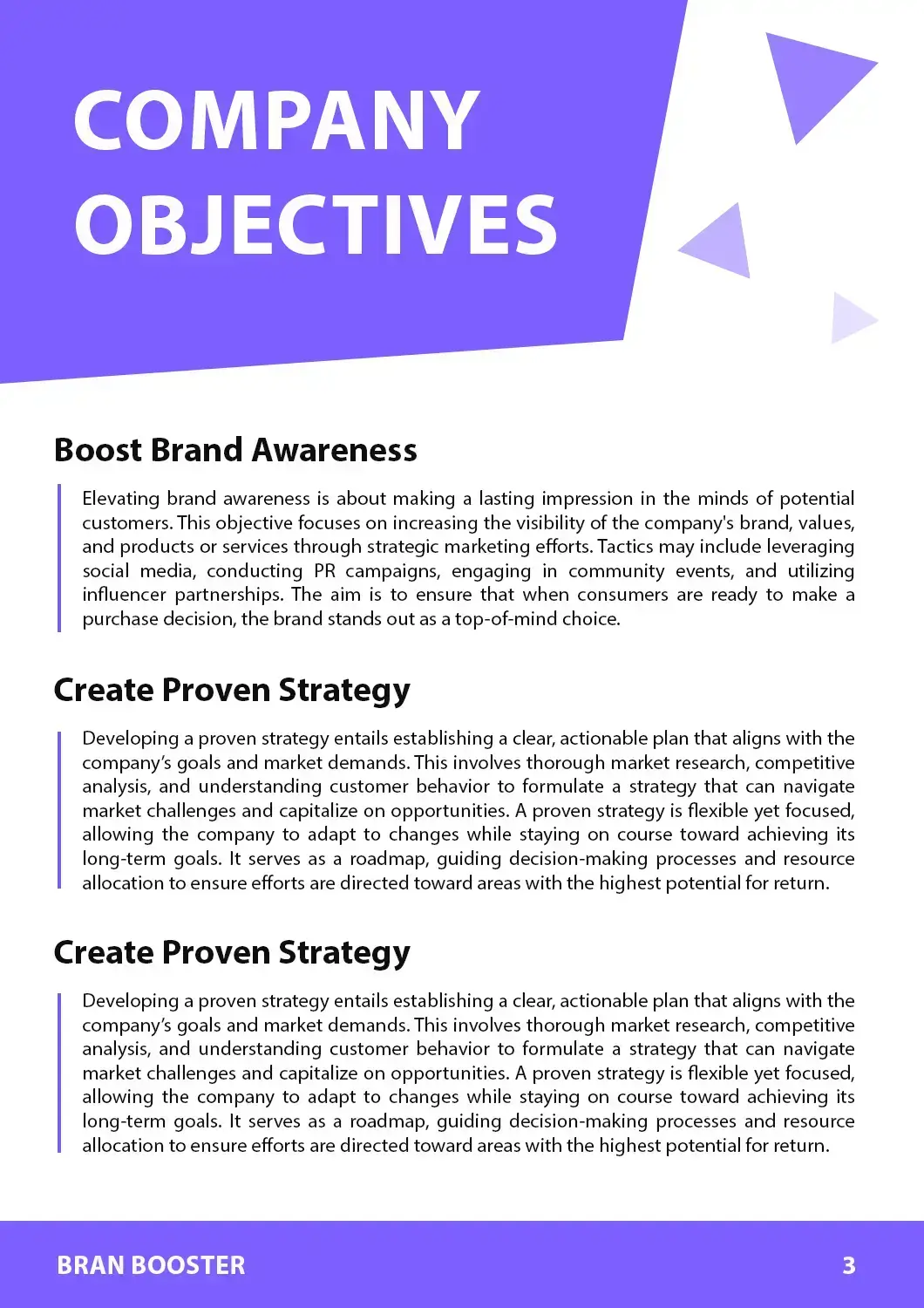
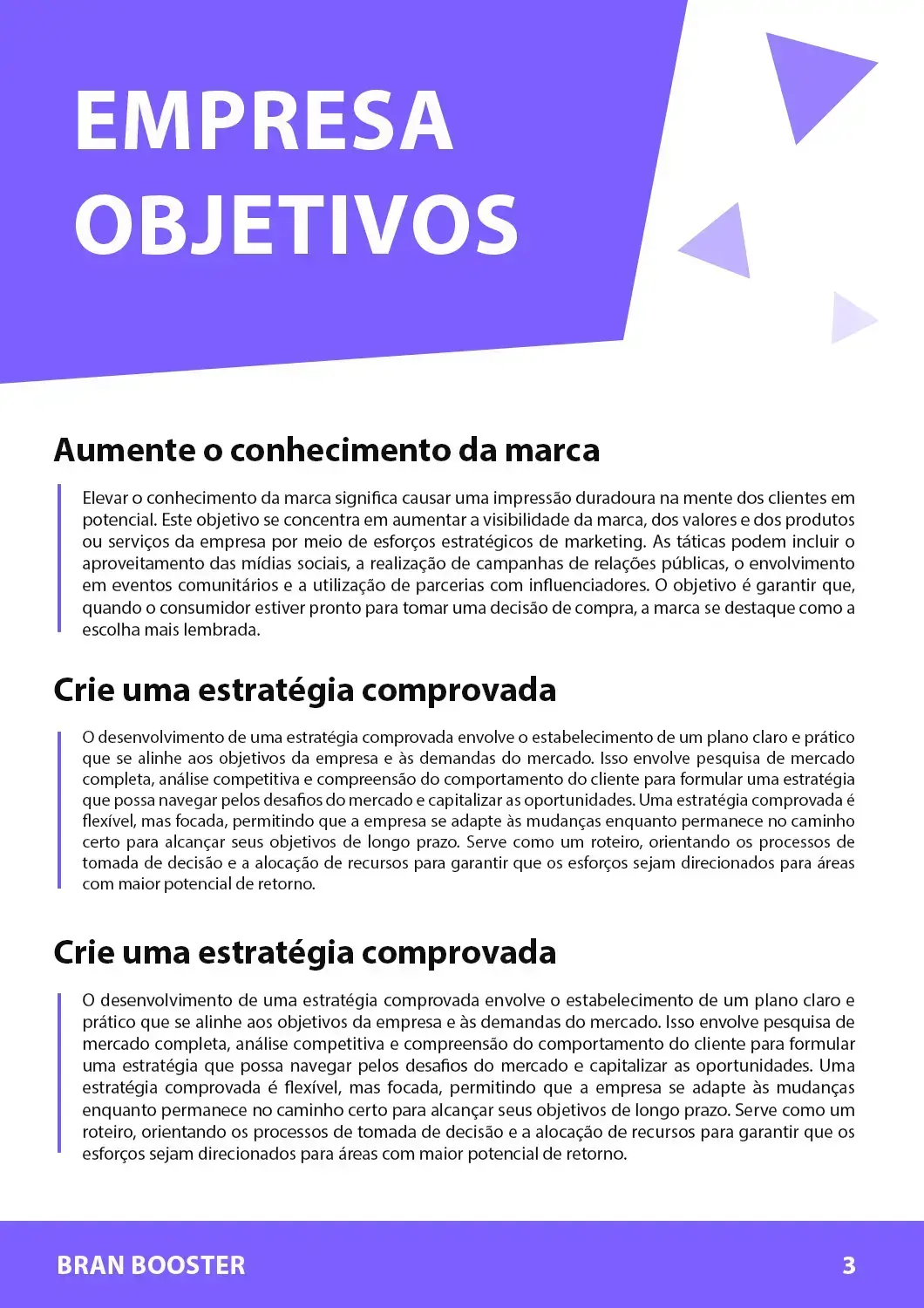
These were produced from a single upload, with no spreadsheet cleanup afterwards.
See all translation examples →Four steps that keep the arithmetic intact
The upload is the easy part. What protects you is downloading clean originals at the start and reconciling the balances at the end.
Export from online banking, not from a photocopier
A PDF generated by the bank holds real text, so every digit is exact. A photograph of paper has to be recognised from pixels, and the characters that suffer are the ones that matter: eight against three, one against seven, zero against a capital letter.
Open an account and upload the whole run at once
Registering takes an email address. Uploading the months together keeps the wording of recurring entries consistent from the first sheet to the last, which matters when the same employer or landlord appears every month.
Set the languages, then let it process
Name the language the bank issued the sheet in and the language of the office that will read it. Long runs of statements are handled in one job rather than sheet by sheet.
Reconcile before you submit
Add the credits, subtract the debits from the opening balance and confirm you land on the printed closing figure. Then check that the account identifier, the currency code and the period label are unchanged. Two minutes here prevents a rejection weeks later.
The same run, on video
Picking the export, setting the languages and opening the result, without narration to skip through.
Practical questions about statements
Are amounts converted into the currency of the country I am applying to?
No, and they should not be. A statement is a record of what the account actually held, and converting it would substitute a rate you chose on a date you chose. The figures stay in the account currency with the three-letter code attached. If the reviewer needs a converted total, they apply their own published rate, which is the number they will accept anyway.
Will the decimal comma in my statement become a decimal point?
The numerals are carried through in the form the bank printed them, because reformatting a figure is editing a financial record rather than translating it. The column headings and the currency code around the number tell the reader which convention is in use. What does change is anything genuinely linguistic, such as the words in the transaction descriptions.
What happens to my IBAN, sort code and reference numbers?
They are copied character for character. An international account number begins with a country code and a two-digit checksum, so a single altered character makes the whole string invalid and unusable for a payment. Bank identifier codes, national routing values, mandate references and card authorisation codes are treated the same way.
Are the merchant names in the transaction lines translated?
No. A descriptor such as a shop name followed by a city and a country abbreviation is a proper name, and it is often the thing a caseworker cross-references against a receipt or an address elsewhere in your file. What does get translated is the wording that describes the kind of movement, such as salary, standing order, cash withdrawal or reversal.
How many months should I include?
That is set by whoever asked, and the number varies between visa routes, lenders and letting agents. Two rules hold everywhere: the months must be consecutive with no gap, and each sheet must be complete including the pages that carry few transactions. Check that one sheet closes on the balance the next one opens with before you send anything.
Can I upload a photograph of a paper statement?
Yes. JPG, JPEG and PNG images and image-only PDFs are accepted and run through character recognition first. It is still the weaker option for a document made of digits, so if online banking will give you the original PDF, use that instead. Where you must photograph paper, shoot it flat, fill the frame and avoid shadow across the number columns.
Will a bank or an immigration office accept this translation?
For understanding a statement and building an application, automated output is quick and sufficient. For submission, most immigration authorities, lenders and courts require a translation with a signed accuracy statement from a qualified translator, which machine output does not carry. Order the professional version for the copy that gets filed.
How big can the upload be, and what does a long run cost?
A single file can reach 1 GB or 5,000 pages on a paid plan, which is far beyond a year of statements. On price, $2 opens a seven-day trial with an allowance of 10 pages or 3,000 words; $14.99 covers a month at 100 pages or 30,000 words; $135 covers a full year. Additional pages beyond an allowance are charged by the word at $0.005.
How is financial data handled once I upload it?
Transfers are encrypted, and files in the account are accessible only to authorised staff, as described in our privacy policy. If you are translating statements belonging to a client rather than to yourself, confirm the arrangement with your own compliance function before the upload.
Upload the run and read it in minutes
Statements for a visa, a mortgage or a tax file, translated with the columns aligned, the balances reconciling and the account identifiers untouched.
Related Document Translation Tools
Document Types
File Formats
Our Partners